Community Stories
Read and react to the lived experiences of others. Remember, this is a judgment-free zone.
हमारी अधूरी कहानी… ❤️🩹
कभी-कभी कोई इंसान हमारी ज़िंदगी में सिर्फ़ कुछ महीनों के लिए आता है… लेकिन उसकी यादें पूरी ज़िंदगी के लिए छोड़ जाता है। एक लड़का था… ऑफिस में काम करता था। वहीं एक लड़की आया करती थी। शुरुआत में लड़के को बस उसकी बातें अच्छी लगती थीं। फिर उसकी आदत हो गई… और पता ही नहीं चला कि कब वो आदत मोहब्बत बन गई। पहले प्यार सिर्फ़ उसकी तरफ़ से था। लेकिन धीरे-धीरे लड़की की बातों में भी अपनापन आने लगा। लड़के को लगा शायद… “उसे भी मुझसे प्यार होने लगा है।” फिर दोनों बातें करने लगे। कभी साथ खाना, कभी बाहर जाना… छोटी-छोटी बातें लड़के के लिए बहुत बड़ी खुशियाँ बन गईं। वो लड़का अपनी दुनिया में उसे सबसे ऊपर रखने लगा। उसके लिए क्या करूँ, कैसे खुश रखूँ… बस यही सोचता रहता था। लेकिन उस ऑफिस में उसके दो भाई भी थे। वो दोनों भाई उसका बहुत ध्यान रखते थे। उन्हें पहले से ही शक था कि शायद दोनों के बीच कुछ चल रहा है। एक दिन लड़का अपनी उस लड़की से chat कर रहा था। वो उससे बस इतना पूछ रहा था कि “कुछ खाने का मन है? क्या मंगाऊँ?” उसे क्या पता था… उस पल उसका भाई पीछे खड़ा था। भाई ने फोन देख लिया। फिर फोन उसके हाथ से ले लिया गया। और उसके बाद जो हुआ… उस लड़के की खूब क्लास लगी। डांट पड़ी। समझाया गया। और साफ़ कह दिया गया— “इस लड़की से दूर रह।” उस दिन लड़के को अपने भाइयों पर गुस्सा आया। उसे लगा कि शायद कोई उसकी खुशी नहीं समझ रहा। लेकिन उसने फिर भी उस लड़की को दिल से चाहना नहीं छोड़ा। वक्त बीतता गया… और धीरे-धीरे वही लड़की उससे दूर होने लगी। बातें कम हो गईं। मुलाकातें कम हो गईं। और एक दिन… वो लड़की उसे छोड़कर चली गई। लड़का अकेला रह गया। जिस इंसान के साथ उसने अपना आने वाला कल देखा था… वही इंसान उसके आज में भी नहीं था। सबसे दर्दनाक बात पता है क्या थी? लड़की चली गई… लेकिन लड़के का प्यार नहीं गया। वो आज भी कभी-कभी सोचता है— “काश वो वापस आ जाए…” फिर खुद ही चुप हो जाता है। क्योंकि अब उसे समझ आ चुका था कि किसी को दिल से चाहना और किसी का तुम्हारा हो जाना… दो अलग बातें हैं। और आज वो अपने भाइयों को गलत नहीं मानता। शायद उन्होंने उस लड़की में कुछ ऐसा देखा था, जो प्यार में अंधा हुआ वो लड़का नहीं देख पाया। आज भी उसके मन में एक बात रहती है— “मेरे भाइयों ने शायद मेरा प्यार मुझसे छीना था… लेकिन शायद उन्होंने मुझे उस दर्द से बचाने की कोशिश की थी, जिस दर्द से मैं आज गुजर रहा हूँ।” बस फर्क इतना है… उस वक्त उसे भाइयों की डांट बुरी लगी थी, और आज वही डांट याद करके उसकी आँखें भर आती हैं। क्योंकि अब वो समझता है— हर वो इंसान जो हमें किसी से दूर करता है, हमारा दुश्मन नहीं होता। कुछ लोग हमें उस इंसान से दूर करते हैं, जिसे हम अपनी पूरी दुनिया समझ बैठे होते हैं। और शायद सबसे बड़ा दर्द यही है… जिसे हम पूरी जिंदगी अपना समझते रहे, वो हमें कुछ महीनों में भूल गया… और हम आज भी उसे याद करके मुस्कुरा भी नहीं पाते। कुछ मोहब्बतें पूरी नहीं होतीं… बस इंसान को अंदर से बदलकर चली जाती हैं। ❤️🩹
Your Absence
The First Meeting Arya would never forget that first class in college. It was September. Light raindrops were coming through the window. Arya was writing something in her diary when the classroom door opened. A boy walked in—wet hair, white shirt, and a strange glow in his eyes. The professor said: "This is Vikky. He's a new student. Arya, you sit next to him." Arya nodded, and Vikky came and sat beside her. "Hi," Vikky said, smiling. "I'm Vikky." "Arya," she replied. After that day, Arya and Vikky's friendship slowly grew deeper. Coffee dates, studying in the library, counting stars on the rooftop... everything was so easy. One night, sitting on the rooftop, Vikky suddenly said: "Arya, you know? When I first saw you... I felt like I've known you for years." Arya looked at him. There was something in his eyes—something deep, something real. "Why?" Arya asked. Vikky smiled: "Maybe because... I'm falling in love with you." That night, Arya's world changed. A Series of Promises The next five years... were like a dream for Arya. Vikky always used to say: "Arya, I'll never leave you. No matter what happens." "Arya, we'll always be together. You and me... forever." "Arya, you're my life. I can't breathe without you." Arya treasured these promises. Like they were precious treasure. She was ready to give up everything for Vikky. Her dreams, her career, even her family's happiness. Because she believed Vikky was telling the truth. But in love... the biggest lie is the one that sounds the sweetest. The Cracks It started with small things. Vikky's message replies started coming late. "I'm busy, yaar," he'd say. Calls became less frequent. "Project pressure," he'd make excuses. Arya kept understanding. She kept telling herself that Vikky was really busy. That she was overthinking. But her heart... her heart knew. One night, Arya checked Vikky's phone. (She knew it was wrong, but something was eating her from inside.) One number kept appearing again and again—Priya. Arya asked Vikky: "Who is Priya?" Fear appeared in Vikky's eyes: "Just a junior, Arya. From the office." But Arya looked into his eyes—and she saw the lie there. That night, Arya couldn't sleep. Because when trust starts breaking... sleep leaves you too. That Dark Night It was Arya's birthday. Vikky had promised: "Let's meet tonight. I have a surprise." Arya got ready all day. New dress, makeup, perfume... everything was perfect. At 6 PM... Vikky's message came: "Sorry yaar, stuck at office. I'll be a bit late." Arya messaged: "It's okay. I'll wait." At 9 PM... Vikky didn't come. Arya called. Switched off. At 11 PM... Arya's friend Namita called: "Arya, are you looking for Vikky by any chance?" Arya's heart beat fast: "Why? What happened?" "I'm at the mall... and Vikky is here with a girl. Priya." The ground slipped from under Arya's feet. She immediately went to the mall. When she arrived, Vikky and Priya were walking hand in hand. Both were laughing. As if there was no sadness in the world. Arya stood there, frozen. The gift she had brought for Vikky... slowly slipped from her hand. Vikky heard the sound, and turned. Their eyes met. There were tears in Arya's eyes. Guilt in Vikky's eyes. "Arya, I..." Vikky stepped forward. Arya raised her hand: "Don't come closer." Her voice had pain, anger, and... the sound of breaking. "You said, didn't you, Vikky... you'll never leave me?" Arya's voice trembled. "Was it all a lie?" Vikky stayed silent. Arya laughed—a bitter, painful laugh: "You know, Vikky? The most pain isn't from you leaving... it's from your lies." She turned, and walked away. Behind her, Vikky stood there. Priya held his hand: "Let's go." Vikky pulled his hand away: "No." But by then... it was too late. The Broken Heart The next six months... were nothing less than hell for Arya. She'd wake up in the morning, and remember Vikky. Go to work, and remember Vikky. Sleep at night, and remember Vikky. She had blocked Vikky's number. Unfriended him on social media. But memories... memories can't be blocked. One night, Arya sat alone in her room. She looked at old photos of Vikky—their laughter, their promises, their dreams. The tears wouldn't stop. She opened her diary, and wrote: "It's been six months today. Six months since you left me. Since you told me I wasn't enough for you. I know you're happy. With Priya. But have you ever thought... how am I? Have you ever thought about me? Have you ever felt that you broke someone's heart? Maybe not. Because people only think about what they want. But remember one thing, Vikky... you didn't lose me. You lost yourself. Because I'll be happy again. With someone else. Or alone. But you... you'll always be crushed under the weight of this guilt. Forever." She closed the diary, and cried. She cried so hard that even the neighbors might have woken up. But she didn't care. Because today... today she had let out all the pain from her heart. The Last Meeting Two years later. Arya's wedding was fixed. The guy was good—understanding, wealthy, and from a good family. Arya's parents were very happy. But Arya... there was no happiness on Arya's face. Just a peace. The night before the wedding, Arya was passing by her old college. Suddenly, a familiar voice was heard: "Arya?" She turned. Vikky was standing there. After two years... their eyes met. Vikky had changed. He had become thinner. Dark circles under his eyes. "How are you?" Vikky asked. "Fine," Arya said. A lie. "I heard... your wedding is tomorrow." Arya nodded. Vikky took a deep breath: "I... I just came to say that I'm really sorry, Arya. I did very wrong with you." Arya stayed silent. "I know you'll never forgive me. But... I wish I could turn back time. I wish I hadn't lost you that night." Tears came to Arya's eyes. But she held them back. "Vikky," she said in a soft voice. "You didn't lose me. You lost yourself" Vikky's eyes filled with tears. "And yes," Arya continued. "I loved you. I loved you very much. But now... that love is dead." Vikky lowered his head. "But remember," Arya said. "You'll remember me. Every moment. Every breath. Because the love that remains incomplete... it stays in the heart forever." She turned, and walked away. Vikky stood there. It started raining. He looked at the sky, and whispered softly: "Yes, Arya... you'll remember me. Forever." But Arya couldn't hear anymore. Because she had moved on. And Vikky... Vikky was crushed under the weight of his mistakes. Chapter 7: Epilogue – Adhura Ishq One year later. Arya was now married. Everything in her life was fine. Her husband was good, her family was good. But sometimes... at night, when she was alone... she'd remember Vikky. She knew she didn't love Vikky anymore. But some memories... they never die. At the same time, Vikky sat alone in his apartment. A glass of whiskey was in front of him, and Arya's photo in his hand. He finished the glass, and looked at the photo. "You'll remember me, Arya," he whispered. "Forever." He put the photo back in his pocket, and went to stand by the window. Below, the city lights were shining. But for Vikky... everything was dark. Because when a love remains incomplete... it breaks a person forever.
"I Was Just a Habit"
I still think about that night Meera called me. Her voice had that kind of silence that hurts more than screaming. "Can we go somewhere?" she had said. I understood. That First Meeting That Changed Everything Meera first told me about Aarav when he was twenty-four and she was nineteen. "There was something in his eyes," Meera had said, "like he already knew me." They met in the college library. Aarav accidentally touched her book, and that touch woke up something that never went back to sleep. "He walked me home that night," Meera told me once, her eyes shining with that light you only see in first love. "He looked into my eyes the whole way. Didn't look away even once." "Did you think it was love?" I had asked. Meera laughed—that laugh I never heard again. "No. I thought it was fate." Five Years of Lies That Felt Like Truth Meera gave the next five years to Aarav. Every night she met him. Every morning his message came. Every moment she thought of him. "He told me every night I was special," Meera said one evening on my balcony, cigarette smoke dissolving into the air. "His fingers in my hair, his lips near my ear, whispering—'No one is better than you.'" I saw how Meera's eyes lit up when Aarav's name came up. How her voice softened. How she completely disappeared into him. "When's the wedding?" I once asked. Meera went quiet. Then softly, "He doesn't believe in marriage." "And you?" "I believe in him." That was the lie that ate Meera from the inside. The Marks That Never Faded One night Meera came to me, arms hidden under a long shirt. "What happened?" I asked. She said nothing. Just took the shirt off. Blue-purple marks on her arms, shoulders, back. "Aarav..." she stopped, "in anger..." I stood up. "You need to report this." "No," Meera held my hand, "he wasn't angry. We were... both..." "Meera, this isn't right." "Sometimes love hurts," she said, eyes carrying wisdom heavier than her age. "He didn't mean to hurt me. Just... lost control." I went quiet. Because I knew trying to convince Meera was impossible. When someone ties love to pain, saving them becomes nearly impossible. The Night Everything Broke On the last night of the fifth year, Meera called me. "Can we go somewhere?" I went to her flat. She was on the sofa, eyes swollen, a letter in her hand. "What happened?" I asked. Meera pushed the envelope toward me. Inside were old photos, some letters, and a cheque. "Aarav gave me this," she said, voice so soft I had to lean in. "Why?" "Because he's getting married." I froze. "To who?" "A girl. His family chose her." "And you?" Meera laughed—that laugh like broken glass. "I'm nothing." "Five years were nothing?" "He said—'You were a part of my life. Just not anymore.'" What Meera told me that night, I'll never forget. "He touched me every night," Meera said, tears mixing with her voice. "Made me his every moment. Said my name in every breath. And today... today he says I was nothing." "You were something," I said. "No," Meera shook her head, "I was just a habit. An addiction. And now he's sober." Those Three Months That Never Ended For the next three months, Meera barely ate. She'd come to my flat, sit for hours in silence, sometimes suddenly burst into tears. "I can't sleep," she said one night, "every time I close my eyes, I see him." "Who?" "Aarav. His eyes. His breath. His touch." "He wasn't right for you, Meera." "No," Meera shook her head, "I wasn't right for myself. I gave him everything. My identity. My dreams. My life. And what did I get in return? A cheque." She tried to kill herself. Took pills. Cut her wrist. But something stopped her every time—maybe hope, maybe anger, maybe that last truth she needed to know. Why? Just why? That Phone Call That Changed Everything A year later, Meera saw Aarav's wedding news in the newspaper. In the photo he was smiling, with the bride, with family, with a new life. And Meera? Still in the same flat where Aarav had left her. She picked up the phone, dialed Aarav's number. First time. Last time. "Hello?" Aarav's voice came, like nothing had happened. "Do you remember?" Meera asked, tears in her voice. "What?" "Those nights. Those promises. All of it." Aarav stayed silent. "Do you remember?" Meera asked again, voice breaking. "Yes," Aarav said, "I remember." "Then why?" "Because..." Aarav breathed, "because you were too much." "Too much?" "Yes. So much I couldn't handle it." Meera laughed—that laugh that comes from pain, from a broken heart. "You're a coward," she said. "Maybe." "You used me." "Maybe." "And now?" "Now I'm happy." Meera hung up. And that night, in Mumbai rain, she cried again. But this time no sound came. Just tears. Just pain. Just that truth that never came out—that Aarav never loved her. He just used her. Five years. Thousands of nights. One life destroyed. That Letter I Never Sent Six months later, Meera left Mumbai. Before leaving, she wrote Aarav a letter. "You broke me. But you know what? I put myself back together. Not with you. With myself. You thought I'd die without you. But I'm alive. And you? You'll always be stuck in that night you left me. Because I'm your last truth. The one you'll never tell anyone. —Meera" She gave me the letter. "Will you send it?" I nodded. But I never did. Because some letters aren't meant to be sent. Just felt. Even Today Today Meera is in another city. New job. New life. New beginning. But sometimes, when it rains, she calls me. "Remember?" she asks. "Yes," I say. "Sometimes it feels like it was all a dream," Meera's voice goes soft. "No," I say, "it wasn't a dream. It was real. Just the wrong reality." Meera goes quiet. Then softly, "But I'm okay." "I know," I say, "you were always strong." "No," Meera laughs, "I just learned you can live even after breaking." And that night, when the call ends, I cry too. Because Meera's story isn't just hers. It's the story of every girl who thought love was everything. Of every heart that broke. Of every eye that cried. Of every night that never ended.

Is Couple Swapping Right for Every Couple? A Final Psychological Assessment
A Complex Lifestyle Choice, Not a Casual Game Consensual non-monogamy—and couple swapping in particular—is not a casual experiment or a quick remedy for boredom. It is a high-stakes, psychologically complex lifestyle choice that requires an exceptional level of personal security, mutual trust, and emotional stability. Before considering this path, couples must look past the initial thrill and evaluate whether their relationship dynamic can truly withstand the psychological realities involved. Essential Evaluation Checklist & Guidance 1. Never Use Swapping as a Fix for a Struggling Relationship: Turning to non-monogamy to repair ongoing marital friction, emotional distance, or trust issues is a dangerous misconception. Non-monogamy acts as an amplifier: it highlights and accelerates existing problems. In a fragile relationship, introducing third parties almost guarantees immediate relational collapse. 2. The Prerequisite of Exceptional Emotional Maturity: Navigating this lifestyle requires both partners to possess high emotional intelligence, secure attachment styles, and deep mutual loyalty. Individuals must be capable of processing unexpected jealousy, managing ego triggers, and practicing radical honesty without fear of judgment. 3. Absolute Alignment and Zero-Doubt Consent: This lifestyle is strictly not for everyone. It can only be considered when both partners share 100% enthusiastic, voluntary consent, unwavering trust, and transparent communication. If one partner harbors even the slightest hesitation or feels coerced, stepping into this dynamic can prove catastrophic for the relationship. Key Psychological Facts Behind the Final Verdict Psychological Fact 1: The Self-Determination Principle in ConsentAccording to psychological research on relationship dynamics, consent driven by external pressure or fear of losing a partner (coerced consent) creates immediate cognitive dissonance. This dissonance quickly transforms into deep emotional trauma and resentment toward the primary partner. Psychological Fact 2: Secure Attachment as a Non-Negotiable BufferPsychology highlights that only couples with an anxiously-secure or fully secure attachment style can process non-monogamous experiences without triggering feelings of abandonment or severe insecurity. Anxious or avoidant attachment styles make this lifestyle psychologically destructive. Psychological Fact 3: The Long-Term Integration ChallengeEven when encounters run smoothly, integrating non-monogamous experiences into a traditional long-term marriage requires continuous psychological effort. Couples who succeed are those who regularly re-evaluate boundaries, prioritize the primary bond, and maintain ongoing therapeutic dialogue. Couple swapping is a high-risk lifestyle that demands an extraordinarily strong foundation. For the vast majority of couples, the emotional risks—such as jealousy, trust erosion, and attachment disruption—far outweigh the temporary excitement. It is an option only for couples who already enjoy absolute emotional security, total transparency, and unforced mutual alignment.
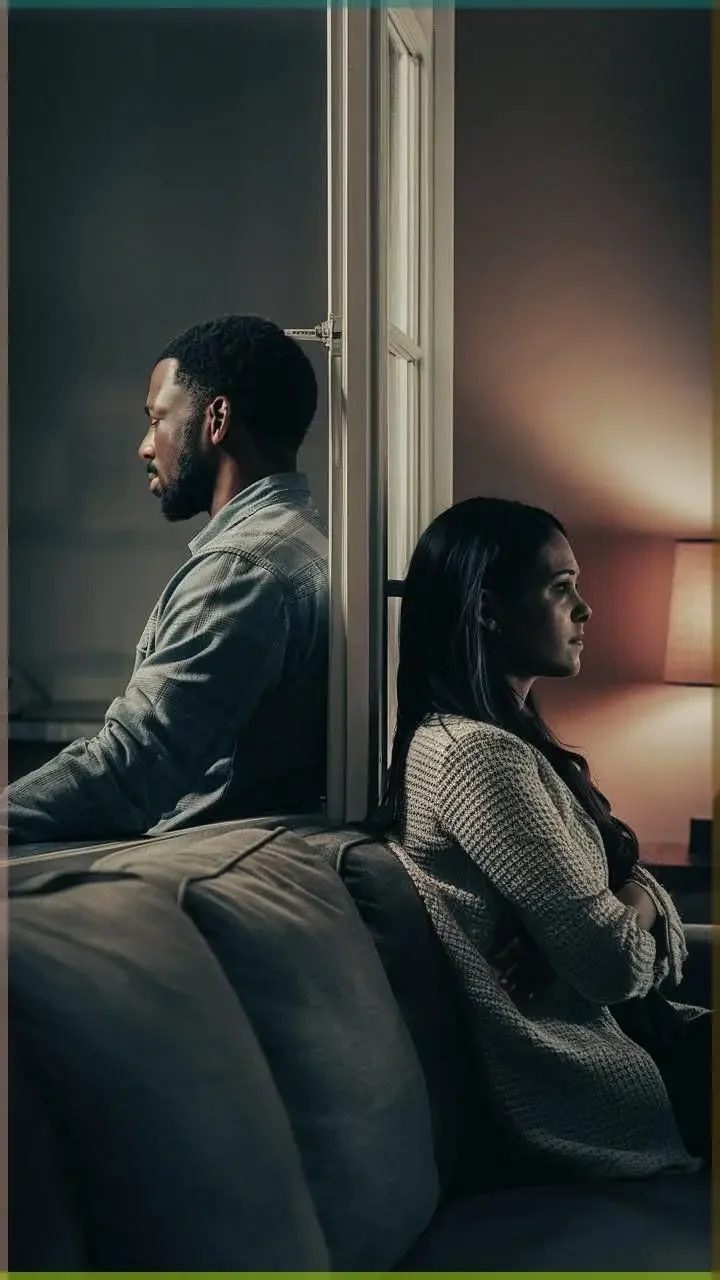
Emotional Risks and Challenges of Couple Swapping: A Psychological Assessment
The Reality vs. The Fantasy On paper or in personal fantasies, consensual non-monogamy might appear intriguing or liberating. However, real-world execution carries profound psychological and emotional risks. Intimacy is deeply intertwined with human identity, attachment systems, and vulnerability. When boundaries are blurred without immense psychological resilience, the emotional fallout can severely damage mental health and destroy primary relationships. Major Emotional Risks and Challenges 1. Intense Jealousy and Deep-Seated Insecurity: Witnessing a life partner engage intimately with someone else triggers raw primal instincts. Even among couples who believe they are mentally prepared, the actual experience can trigger feelings of inadequacy, self-doubt, and intense territorial jealousy. 2. The Risk of Unintended Emotional Attachment: While swapping is conceptually meant to be purely physical, human neurobiology does not always separate sex from emotion. Physical intimacy releases oxytocin and dopamine, which naturally encourage pair-bonding. If a partner forms an emotional connection with a third party, the core marriage frequently fractures. 3. Societal Stigma and Severe Psychological Stress: In conservative or traditional societies, non-monogamous lifestyles carry heavy social disapproval. Maintaining absolute secrecy creates chronic anxiety, fear of exposure, and isolation from friends or family, leading to high cognitive fatigue. 4. Post-Encounter Regret and Guilt (Post-Coital Dysphoria): After the initial excitement fades, individuals frequently experience sudden surges of guilt, shame, or regret. This emotional slump can lead to internal distress and hostility toward the primary partner for initiating or agreeing to the encounter. Key Psychological Facts Behind Emotional Breakdown Psychological Fact 1: Activation of the Attachment Threat System According to Attachment Theory, seeing one's primary partner intimate with another person activates the brain's danger response (the amygdala). The mind perceives a threat to the primary pair-bond, resulting in irrational anger, panic, or emotional withdrawal. Psychological Fact 2: The Fallacy of Cognitive Compartmentalization Most individuals overestimate their ability to compartmentalize physical pleasure from emotional intimacy. The psychological mechanism required to view a partner's physical involvement as "just a game" is exceptionally rare and difficult to maintain long-term. Psychological Fact 3: Delayed Trauma and Cumulative Resentment Emotional damage from non-monogamy is rarely immediate. Resentment often accumulates over weeks or months, manifesting later as chronic marital conflict, loss of emotional intimacy, or sudden depression. The emotional challenges of couple swapping are deep, complex, and high-risk. Without an exceptionally secure attachment foundation, complete transparency, and high emotional maturity, the psychological consequences often outweigh the anticipated thrill.
Swapping Rules, Boundaries, and Consent: The Psychology of Safe Intimacy
Why Structure and Rules Save Relationships Engaging in consensual non-monogamy without strictly enforced rules is a direct recipe for emotional collapse and relationship termination. While the swinging lifestyle is often perceived through the lens of spontaneity, experienced couples and relationship psychologists agree on one fundamental truth: structure creates safety. Clear boundaries do not restrict freedom; rather, they establish the psychological security required to explore new experiences without destroying the primary bond. Non-Negotiable Rules and Boundaries 1. Enthusiastic & Unforced Consent (100% Mutual Agreement):Consent must be active, explicit, and continuous. If either partner hesitates even by 1%, the encounter must be called off immediately. Coerced consent—agreeing simply to appease a partner or prevent a breakup—leads to severe psychological trauma, deep-seated resentment, and inevitable relationship failure. 2. Establishing Hard Limits vs. Soft Limits:Before meeting another couple, partners must negotiate exact boundaries. Hard Limits: Absolute non-negotiables (e.g., no full intercourse, no oral sex, no exchange of private phone numbers, no solo meetups). Soft Limits: Activities that are acceptable only under specific conditions (e.g., allowed only if both partners are in the same room). 3. Safe Sex and Health Screening Protocols:Protecting physical health is paramount. Barrier protection (such as condoms) is mandatory to prevent STIs and unwanted pregnancies. Additionally, practicing couples routinely share recent medical test results before any physical interaction takes place. 4. The Immediate Use of a Safe Word:During an encounter, emotions can shift rapidly. A pre-determined Safe Word acts as an absolute pause button. The moment any partner utters the code word, all physical activity stops instantly without judgment, questioning, or pressure. Key Psychological Facts Behind Swapping Rules Psychological Fact 1: The Principle of Emotional Containment Human brains naturally associate sexual intimacy with pair-bonding through the release of oxytocin (the attachment hormone). Establishing strict hard limits prevents emotional attachment from overriding physical activity, ensuring the primary marriage remains the sole emotional anchor. Psychological Fact 2: The Illusion of "Fixing" Dynamics Psychology shows that non-monogamy acts as an amplifier. If a couple has underlying trust issues, adding external partners accelerates the breakup. Rules function effectively only when applied to an already stable, highly secure foundation. Psychological Fact 3: The Threat-Response & Cognitive Safety When exposed to unfamiliar intimate settings, the brain's amygdala can register the situation as a threat, triggering anxiety or intense jealousy. Clear rules and safe words lower cognitive stress, keeping the mind in a state of perceived safety and control. Rules, explicit consent, and rigid boundaries are not optional guidelines in couple swapping—they are the core foundation that prevents emotional trauma. By prioritizing safety over impulse, couples protect their primary partnership while navigating complex social dynamics.

Why Couples Choose Swapping? The Psychological & Behavioral Perspective
Understanding the Shift in Modern Intimacy In contemporary society, concepts surrounding relationships, marriage, and personal satisfaction have evolved significantly. While traditional monogamy remains the standard model for most, a growing number of consenting adults explore Consensual Non-Monogamy (CNM)—specifically Couple Swapping (often referred to as the Swingers Lifestyle). Couple swapping is an arrangement where two committed partners mutually agree to engage in sexual or physical activities with other couples. Far from being a impulsive or reckless decision, it is typically built on explicit guidelines, mutual consent, and complete transparency. Understanding why couples step outside traditional boundaries requires looking into the psychological, emotional, and neurochemical drivers that influence human intimacy. Key Reasons Why Couples Choose Swapping Couples enter the swinging lifestyle for a variety of personal and relational reasons. The primary motivators include: 1. Breaking Monotony & Introducing Novelty (Sexual Habituation) Over time, long-term relationships can experience "sexual habituation"—a natural decline in physical passion due to routine and predictability. Swapping offers an avenue to introduce thrill, variety, and excitement back into the dynamic without terminating the primary partnership. 2. Fulfilling Fantasies Without Infidelity Many individuals harbor sexual fantasies involving multiple partners or new experiences. Swapping allows partners to explore these desires in an environment defined by 100% honesty and mutual consent, eliminating the deceit associated with traditional cheating. 3. Neurochemical Stimulation (Dopamine & Adrenaline) Engaging with a new partner triggers the release of dopamine (the brain's reward chemical) and adrenaline (the excitement hormone). This sensory spike generates a heightened sense of pleasure and vitality that partners often bring back into their primary relationship. 4. Compartmentalizing Love and Sex Couples who practice swapping often view emotional love and physical pleasure as two distinct concepts. They maintain that romantic loyalty and deep emotional attachment belong exclusively to their primary partner, while physical intimacy can be shared recreationally. 5. Enhancing Relationship Communication Establishing a successful swapping dynamic requires setting clear boundaries, discussing fears, and practicing radical honesty. As a result, many practicing couples report an increase in communication quality and trust. The Psychology Behind Couple Swapping From a psychological perspective, swapping is neither inherently "healthy" nor "unhealthy." Mental health professionals analyze the practice based on emotional maturity, attachment styles, and relationship stability. 1. The Positive Psychological Dimensions Radical Transparency: The lifestyle requires partners to express raw desires, anxieties, and limits openly. Negotiating these parameters fosters strong emotional intelligence and active listening skills. Compersion: Some individuals experience compersion—a psychological phenomenon where a person derives genuine joy and pleasure from seeing their partner experience happiness or gratification with someone else. Erotic Re-ignition: Seeing one's partner desired by others can re-trigger sexual attraction within the primary couple, a phenomenon known as sexual re-sensitization. Psychological Risks and Vulnerabilities Jealousy and Territorial Insecurity: Human psychology is deeply tied to attachment and territorial instincts. Witnessing a partner with someone else can trigger intense jealousy, emotional distress, and insecurity if both individuals are not fully secure. Coercion and Emotional Trauma: If one partner agrees to swap merely to please the other or to prevent a breakup, it creates profound psychological distress, resentment, and severe emotional trauma. Unintended Emotional Bonding: While swapping is designed for physical exploration, human intimacy naturally releases oxytocin (the bonding hormone). If a partner develops deep emotional feelings for a swap partner, the core marriage or relationship can fracture. The "Band-Aid" Fallacy: Couples who turn to swapping as a solution for an already weak or troubled relationship often experience accelerated breakup. Psychology emphasizes that non-monogamy amplifies existing dynamics—it strengthens secure bonds but shatters fragile ones. Real-Life Contexts: How Couples Navigate Swapping Scenario A: Re-igniting the Spark (Soft Swap)Context: A married couple of eight years feels their romantic life has become predictable. After months of open dialogue, they decide to try a Soft Swap (engaging in kissing, sensual massage, and touching in the same room without full intercourse). Outcome: Because both partners respected the established boundaries, the shared thrill boosted their mutual attraction, bringing renewed passion into their primary marriage. Scenario B: Unspoken Pressure (The Risk Factor) Context: One partner proposes swapping out of curiosity, while the other partner agrees despite feeling deeply uncomfortable, fearing they will lose the relationship if they decline. Outcome: During the encounter, the hesitant partner experiences feelings of betrayal and anxiety. The lack of genuine consent leads to a breakdown of trust, resulting in emotional distress and ongoing conflict. Psychological Verdict Whether couple swapping produces a positive or negative outcome depends entirely on the psychological readiness of the individuals involved. High-Functioning Outcome: Possible when both partners possess high emotional maturity, secure attachment styles, zero unaddressed jealousy, and equal, unforced consent. High-Risk Outcome: Likely for couples facing existing marital friction, communication gaps, or situations where one partner feels pressured into participation.
What is Couple Swapping?
Evolving Dynamics of Modern Relationships In today's rapidly changing modern world, societal perspectives surrounding human intimacy, marital structures, and personal sexuality are undergoing a profound, historical evolution. For generations, traditional monogamy—a commitment where two partners remain exclusively dedicated to one another both emotionally and sexually—was viewed as the sole acceptable framework for romantic partnership. However, contemporary sociological research, relationship therapy discourses, and psychological studies increasingly recognize that human sexual desire and relationship configurations are far more diverse and multifaceted than previously acknowledged. Among the various non-traditional relationship arrangements gaining visibility across global media and research is Consensual Non-Monogamy (CNM). Within this umbrella, Couple Swapping—frequently referred to as the Swingers Lifestyle—stands out as one of the most highly structured, deliberate, and regulated practices. Far from being a chaotic or reckless act of sudden impulse, swapping represents a calculated lifestyle choice undertaken by committed, consensual partners who seek to explore sexual novelty together without undermining their core emotional bond. The Core Concept and Definition of Couple Swapping At its precise definition, couple swapping is a consensual arrangement where two committed or married couples agree to exchange partners for physical, sensual, or sexual intimacy. The absolute cornerstone of this practice is 100% mutual consent, complete transparency, and enthusiastic agreement among all four individuals involved. If even a single participant feels coerced, hesitant, or uninformed, the arrangement immediately violates the foundational ethics of the lifestyle. Unlike illicit extramarital affairs or secret infidelity—which thrive on deception, betrayal, and broken trust—swapping demands radical honesty. Nothing occurs behind a partner’s back. Prior to engaging in any intimate encounters, participating couples engage in extensive discussions, establishing explicit boundaries, hard limits, safety protocols, and personal comfort parameters. For many experienced swingers, the shared exploration of sexual desire acts as a catalyst for heightened trust, increased mutual openness, and a significantly stronger emotional connection within their primary marriage. Historical Context & The Rise of the Swinger Culture While non-monogamous practices and group sexual dynamics have existed across human history in various cultural forms, the modern organized swinger movement emerged during the mid-20th century. In the post-World War II era, particularly during the late 1950s and 1960s, suburban communities in North America and Western Europe saw the informal rise of "key parties." During these informal social gatherings, married couples would place their house keys into a central bowl, randomly drawing keys at the end of the evening to pair up with alternative partners. Over the subsequent decades, the swinger culture transitioned from casual, unorganized gatherings into a sophisticated, self-regulating subculture. Today, the lifestyle is supported by dedicated international swinger clubs, private resort takeovers, and highly secure online platforms designed specifically to facilitate vetted, respectful, and boundary-conscious interactions between like-minded couples globally. Detailed Classification of Swapping Types Couple swapping is not a rigid or uniform practice. It operates along a broad, customizable continuum, allowing participating couples to tailor their experiences precisely to their emotional comfort levels and internal relationship dynamics: Soft Swap: In this arrangement, partners engage in sensual foreplay, deep erotic massaging, kissing, touching, mutual masturbation, or oral sex with the swapped partners, but penetrative intercourse (full sex) is strictly prohibited. Soft swapping frequently serves as a comfortable, low-pressure entry point for beginner couples testing their emotional resilience and boundaries. Full Swap: This involves complete sexual intercourse between swapped partners. Full swapping requires an exceptionally high level of emotional security, unshakeable mutual trust, and deep psychological maturity from both primary partners. Same-Room Swap: Both couples remain in the same physical bedroom or space while engaging intimately with their swapped partners. This layout allows primary partners to maintain visual contact and verbal reassurance throughout the act, providing immediate comfort, transparency, and a heightened feeling of safety. Separate-Room Swap: Couples retreat into entirely separate rooms or private hotel suites. This style demands maximum emotional independence, confidence, and total trust, as partners operate outside of each other's direct sightline. Psychological Drivers: Why Do Couples Choose Swapping? Psychologists, sexologists, and relationship counselors who study non-monogamous dynamics highlight several core psychological motivators behind couple swapping: Combating Sexual Monotony: Long-term domestic life often leads to sexual habituation. Swapping introduces novel sensory stimuli, thrill, and dopamine-inducing excitement back into a couple's life. Fulfilling Fantasies Without Betrayal: Swapping offers an ethical, mutually agreed-upon venue to explore diverse fantasies without resorting to secret affairs or emotional deceit. Enhancing Interpersonal Communication: Navigating lifestyle rules requires radical vulnerability and honest dialogue, often sharpening a couple's overall communication skills far beyond average relationship standards. Compartmentalizing Pleasure and Commitment: Swingers actively separate physical recreation from romantic commitment, treating sexual variety as a shared hobby rather than an emotional threat. Essential Safety Protocols & Ground Rules To prevent emotional trauma or health risks, experienced couples follow strict protocols: Comprehensive Health Screenings: Regular STI testing before meeting new partners is mandatory. Barrier Protection: Condoms and dental dams are strictly enforced during interactions. Safe Words: Pre-agreed safe words allow any participant to pause or stop an encounter instantly if uncomfortable. Couple swapping is a sophisticated, highly structured consensual lifestyle choice grounded in radical honesty, rigorous safety protocols, and deep mutual respect. It is not a therapeutic remedy for a failing marriage, but rather an exploratory option for already stable, deeply secure couples. Understanding the spectrum—from Soft Swaps to Full Swaps—is essential for anyone seeking an authentic understanding of this dynamic lifestyle choice. Is Couple Swapping Right or Wrong? A Psychological Perspective From a psychological standpoint, couple swapping cannot be strictly categorized as completely "right" or "wrong." Psychologists view this practice through the lens of individual emotional maturity, the strength of the relationship’s foundation, and psychological security. The impact of couple swapping can vary drastically from one couple to another based on the following dynamics: When Can It Be Seen as 'Positive' Psychologically? If both partners are fully mentally prepared and emotionally secure, psychology notes a few potential benefits: Radical Transparency: Swapping forces partners to communicate openly about their desires, fears, and boundaries. Couples who navigate this successfully often develop superior communication skills. Sexual Novelty: It can help overcome intimacy monotony (habituation) in long-term relationships and boost dopamine levels by introducing excitement. Compersion: Some individuals possess the psychological capacity to feel joy seeing their partner experience pleasure, a phenomenon known as compersion. Major Risks and Downsides (When Does It Go Wrong?) In most cases, if the relationship's foundation is even slightly weak, this lifestyle can trigger severe mental and emotional distress: Jealousy & Insecurity: Human psychology naturally inclines toward territoriality and attachment. Seeing one's partner with someone else can spark intense jealousy, anxiety, and depression. Coercion or Pressure: If one partner agrees to swap merely to please the other or to save the relationship (without genuine personal consent), it leads to deep emotional trauma and resentment. Risk of Emotional Attachment: While swapping is intended purely for physical pleasure, human intimacy often triggers emotional bonding. Falling in love with a swapped partner can destroy the primary marriage or relationship. The Misconception of Fixing a Broken Relationship: Many couples turn to swapping as a last-ditch effort to repair a failing or boring marriage. Psychologically, this acts like pouring gasoline on a fire—it inevitably shatters weak relationships. Psychological Verdict For Already Strong Relationships: If both partners are exceptionally mature, free of jealousy, and share 100% voluntary consent, it may remain a controlled personal choice. For Average or Vulnerable Relationships: For the vast majority of people, this is a high-risk lifestyle, as managing jealousy and compartmentalizing feelings is psychologically difficult for most.